Tomohiro Ohsumi/Getty Images
Happy Monday! It's August 10, 2026, and this is The Morning Shift — your daily roundup of the top automotive headlines from around the world, in one place. This is where you'll find the most important stories that are shaping the way Americans drive and get around.
In this morning's edition, we're looking at the Chinese benefits to the U.S.-Israeli War on Iran, as well as Japanese automakers' commitment to the U.S. market. We'll also look at dealer financial spellcasting, and UK green vehicle initiatives.
If you'd like a recap of the latest auto news sent to your inbox each weekday, you can sign up for Jalopnik's free Morning Shift newsletter here.
1st Gear: The only winners in our war on Iran are Chinese EVs
Sawayasu Tsuji/Getty Images
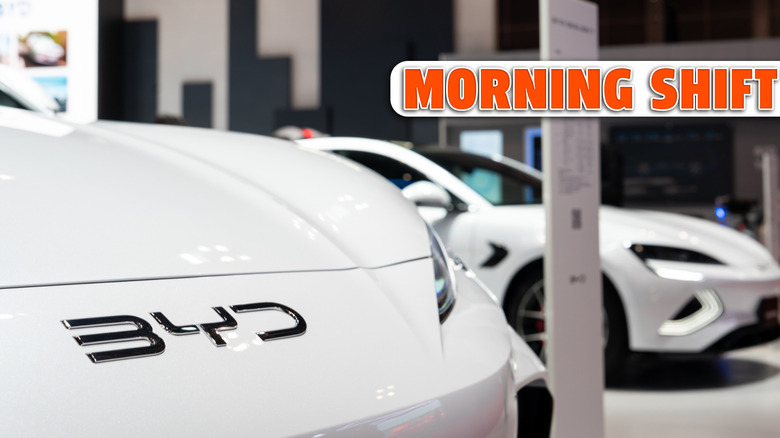
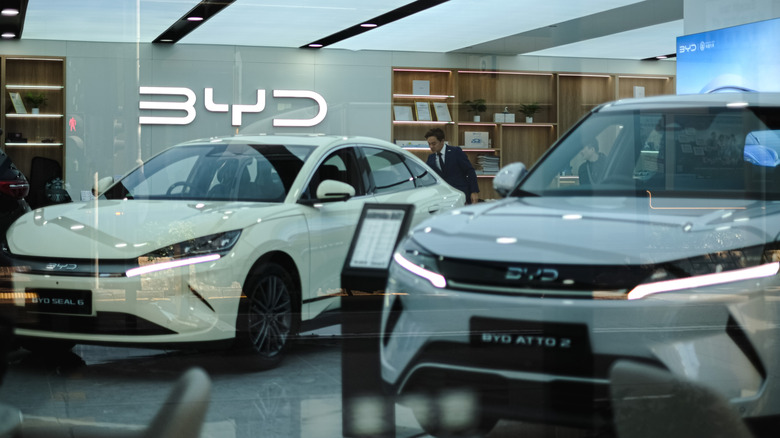
The U.S.-Israeli war on Iran is incredibly dumb, and it's caused some predictably dumb consequences for global trade: Namely, massive increases in fuel costs. This is great for EV makers, and China has the best budget-friendly EVs ready to go out to the world. From the Wall Street Journal:
One group that doesn't want the Iran war to end soon is China's electric-vehicle makers.
They began the year with a glut of EVs on their hands and weak demand at home. The crisis in the Middle East is helping them export their way out of trouble: Chinese carmakers are sending excess supply to overseas markets, where high gasoline prices are prompting more drivers to buy EVs. The market share of traditional carmakers is the big casualty.
China's EV exports rose 120% in the first half of 2026 from the same period of last year, data from the International Energy Agency shows. EV sales have roughly doubled in Brazil, Australia, Korea and Vietnam since the war began. EV sales in Colombia have quadrupled, based on IEA data.
The energy agency now expects EVs to make up 29% of new-car sales globally in 2026, an increase from 25% last year. The shift away from gasoline cars is further along in China, where more than half of all new cars sold are now electric.
China's car manufacturers would love to see rapid, Chinese-style electrification happen elsewhere. They control 60% of EV sales across emerging markets—compared with just 10% for traditional combustion-engine cars—so they have the most to gain from widespread EV adoption.
How long until Chinese EV makers start investing in foreign electrification infrastructure? If that's the nation's holdup with exports, waiting for other countries' charging infrastructure to catch up, it would make sense to start throwing money at the problem.
2nd Gear: Japanese automakers are committed to building and selling cars in the U.S.
Jonathan Weiss/Shutterstock
Japanese automakers love U.S. buyers, and the big names are reinvesting in production on our shores to ensure their vehicles remain accessible to us. Now, some of them are running out of production capacity over here, and looking to scale up. From Automotive News:
A driver beyond punishing tariffs is motivating Japanese automakers to expand their U.S. and North American manufacturing footprints: ambition.
While automakers everywhere worry about China's rising dominance, the original disrupters of the modern U.S. auto industry believe they have room to increase sales and share in the world's second-largest market — even though U.S. light-vehicle sales remain well off the highs of the late 2010s.
But to do so, Japan's top automakers will need more cars and light trucks to sell — vehicles that must be assembled somewhere.
The Trump administration's tariff and trade rules, aimed at reindustrializing America, have complicated the math of where vehicles sold in the U.S. are manufactured and where future assembly plants should be located.
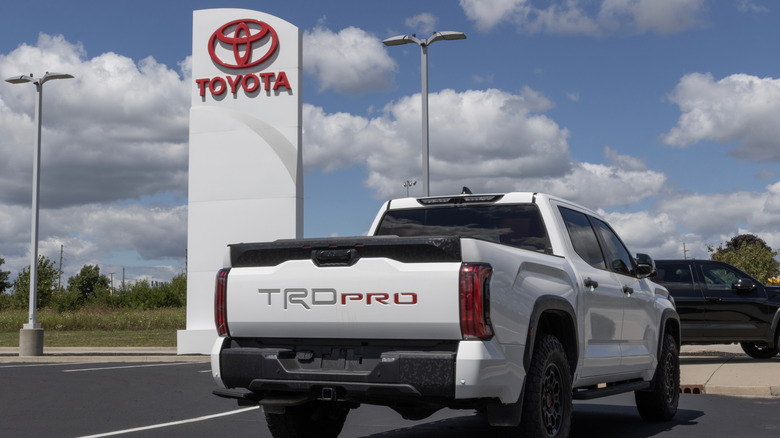
Those controversial policies contributed to Toyota's decision in July to build a $3.6 billion assembly plant in San Antonio and shift Tacoma production back to the U.S.
The core question here is whether the U.S. market can keep up with an increase in supply, as Americans get more and more broke and wealth inequality continues to get ever more extreme. People are already being priced out of the new car market as new cars get pricier.
3rd Gear: Dealers are working magic to get people into too-expensive new cars

Anatoliy Cherkas/Shutterstock
As cars get pricier, loans get longer — and, accordingly, riskier for the lenders. Sure, they're making bank on the interest, but they don't love the exposure of having such a long repayment term. Now, it's falling to dealers to sweet-talk banks into accepting new loans. From Automotive News:
Credit problems with buyers were relatively rare at Dow Honda. The Ottawa dealership has many longtime repeat customers, said General Manager Robin Malhotra. Clean credit has for decades been the norm, not the exception.
But with consumers being squeezed by higher vehicle prices and expenses at a time of rising economic uncertainty, more and more blemishes have crept onto credit reports, he said, challenging both sales staff and lenders working to get buyers into new — or even used — vehicles.
"Usually, you would get one [credit] application a week that would require work to help push it over the finish line. Now you're getting four or five like that a week."
Dow Honda is far from alone. Car buyers across Canada are feeling the pinch, pushing dealerships and lenders to work together to find solutions for cash-strapped consumers and create the right structure for every deal.
Retailers are not asking lenders to take on more risk and approve clients who are not positioned to buy, said Patrick Roosenberg, senior director of auto finance lending intelligence at J.D. Power, but they want quick turnarounds, flexibility and human partnership.
Sure signs of a good, healthy, and sustainable economy! Yes, this particular piece is from Canada, but the same thing is likely happening behind U.S. dealership doors.
4th Gear: The UK is funding green vehicles
Ogulcan Aksoy/Getty Images
The UK wants to go green, and it wants that effort to include the vehicles on its streets. That's why its government is spending $175 million to make its cars greener, with the goal of having all its new cars be zero-emission within nine years. From Automotive News:
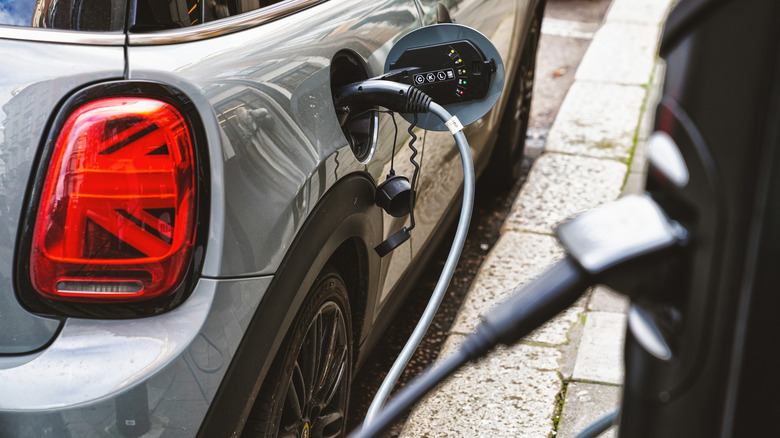
LONDON — The British government announced nearly £130 million ($175 million) in funding for zero-emission vehicle technologies, with almost £65 million coming from public money and the rest provided by the industry.
The funding includes nearly £50 million in government support for automakers and research partners to help them develop and scale zero-emission vehicle technologies.
A further £17 million will support nine connected and automated mobility projects, covering technologies including sensors, brake-by-wire systems and AI simulation.
It's unfortunate that AI gets roped in here, but zero-emissions vehicles are always good. Let's watch the U.S. become a laggard market here.
Reverse: Off to see the wizard
I went to see a movie twice this weekend that was only in a five-theater limited opening, split between New York and LA. It's wild to think, in 2026, about a movie opening specifically in Green Bay. Anyway, go see "Teenage Sex and Death at Camp Miasma."
The Fuel Up
AAA
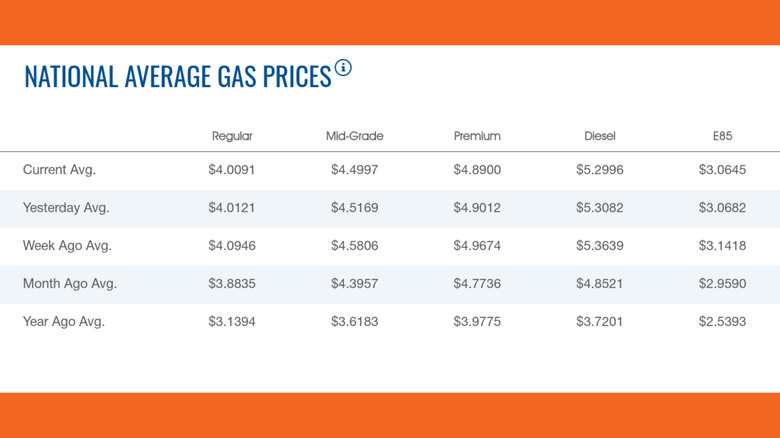
Prices are continuing their slide, which means it's road trip time.
On The Radio: The Mountain Goats - 'Candlebox'
This new album is so good.
>> Home