Hot, stinking diplodiscourse from Great Ape's Gary Napper
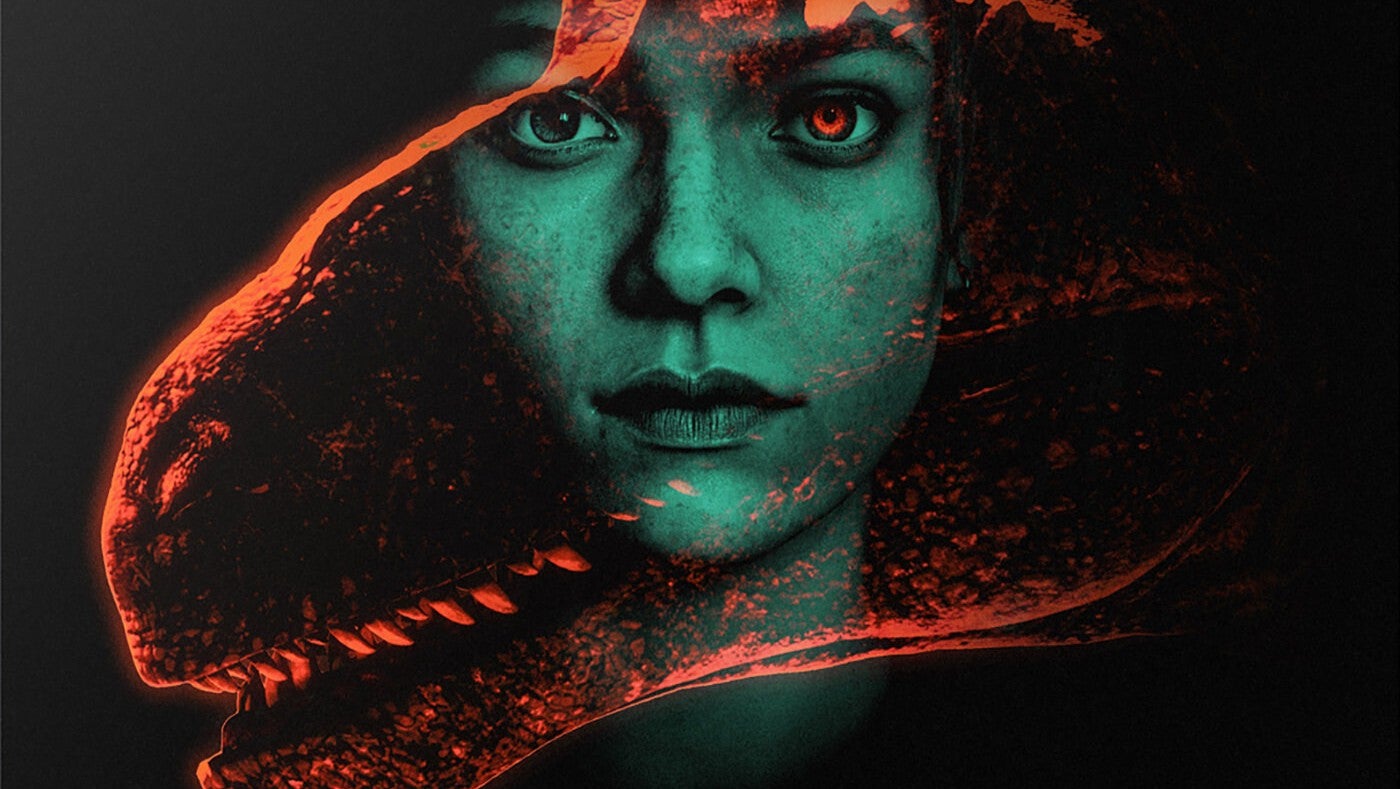
First-person sneakalot The Lost Wild is about surviving on an island overrun by dinosaurs, from the relatively affable diplodocus to the absolutely intolerable allosaurus. I'm not sure how you survive a brush with an allosaurus, because allosauruses appear to be provoked by any and all objects in their vicinity. "An area [of the project] I find particularly fascinating is the difference between dinosaur behaviour for each species, and what that could mean for gameplay and character," says game director Gary Napper, who joined developers Great Ape Games in 2025 following stints at Rare, Supermassive, and Creative Assembly.
"Taking the team's expertise and current day understanding of dinosaur findings has allowed us to really lean into some of these theories," he continues. "One of my favourites is a fact that they know that the allosaurus was quite an erratic and aggressive creature, because they found its teeth embedded in things like rocks and logs as well as other creatures, implying that it would just attack or go for anything around it." OK, so - what's my exit strategy, when facing an allosaurus? Do I just try to look like the least pugnacious rock?
Getting horribly caught out by such differences in temperament is what I'm most looking forward to about Great Ape's debut project. Napper remains best known for lead designing Alien: Isolation, in which you sneak past a xenomorph with very reactive and evolving AI; in The Lost Wild, you have to worry about several such large predators, each of which has its own habits and foibles. Naturally, Napper doesn't want to spoil too much, though he does take a moment to dinosplain to me, when I ask how one deals with a Quetzalcoatlus. "The large winged creature you saw in the trailer is actually a Hatzegopteryx, but very close!"
Addressing the broader question about behaviour, Napper comments that while "a level of consistency" between dinosaurs is needed to avoid totally flummoxing the player, "we do try to subvert player expectation and attempt to surprise and delight where possible by bending and shaping the experience between species." I'm not sure "delight" is the word I'd use – I feel like we are teetering on the edge of asking whether dinosaurs spark joy, but then again, I'm the idiot who wouldn't know a Hatzegopteryx from his own mother, so let's roll with the punches.
"For example, using one type of tool against a dinosaur might give one set of results whereas a different species may react very differently, both surprising and horrifying the player," Napper continues. "We also strive for differences in gameplay rules due to the environment with simple things like light and dark, weather and time of day."
It's hard to say for sure, but it sounds like there will be times when a dinosaur is perfectly aware of you, and the "stealth" lies in reassuring the creature that you are harmless - or at least, not worth the trouble. Context is vital. "Is this a nest or their home?" Napper says. "Could they be feeding here? Have they been hunting and are wandering into this area? Where possible we try to provide a very grounded reason for the dinosaur's presence in each area. If we were to do something like this, where the stealth is about not provoking, it would have been because the creature has either eaten recently or sees no threat in the player."

One of Great Ape's obvious big challenges is telegraphing the nuances of a dino's mood, without recourse to spell-breaking UI elements such as viewcones and exclamation pop-ups. "It is a difficult balance to maintain because on one hand you need them to be believable realistic animals, on the other you need some form of information to clearly communicate to the player so they understand the gameplay," Napper says. "We try to attain this balance by having the creatures react and change their behaviours with both obvious tells and subtle hints that the player can read and learn.
"This gives the game some depth and texture for the patient and observant players who will learn how to deal with and evade these creatures carefully," he adds, "but also doesn't stop players who just want to run in, throw things, scream and panic from having a fun time too."
When not observing, screaming at, running away from and in rare cases, sparing the dinosaurs, you might spend some time wondering why the hell there are dinosaurs at all. The Lost Wild is not, after all, set in the Mesozoic Era. It takes place in the early 2000s. "I can tell you that the island is owned by a mysterious corporation called Idehama," Napper explains. "They are a large Japanese tech company who engineer large-scale industrial projects, and who originally purchased this island to pursue new methods of energy research. A big part of the game is discovering more about this company, their role in the mystery of dinosaurs on the island, and our main character Saskia's connection to it all.


Idehama might be bad news, but they have excellent taste in vintage hardware. The island's various bases date back to the 1990s, which "gives us a wonderful window of retro tech to explore," as Napper enthuses. "From the early installation buildings featuring old chunky mouse and keyboards, CRT monitors right up to early 2000s tech, including things like pagers, [and] physical upload points that use a tech similar to minidiscs. Through the island there is a lovely mix of tech from these eras that blend together against the backdrop of the unforgiving forest and its inhabitants."
It all sounds dangerously absorbing. Yes, yes - this is how will I probably die in The Lost Wild, when it launches in 2027: running my hands fondly over a dilapidated iMac, while my legs disappear inside an allosaurus.
>> Home