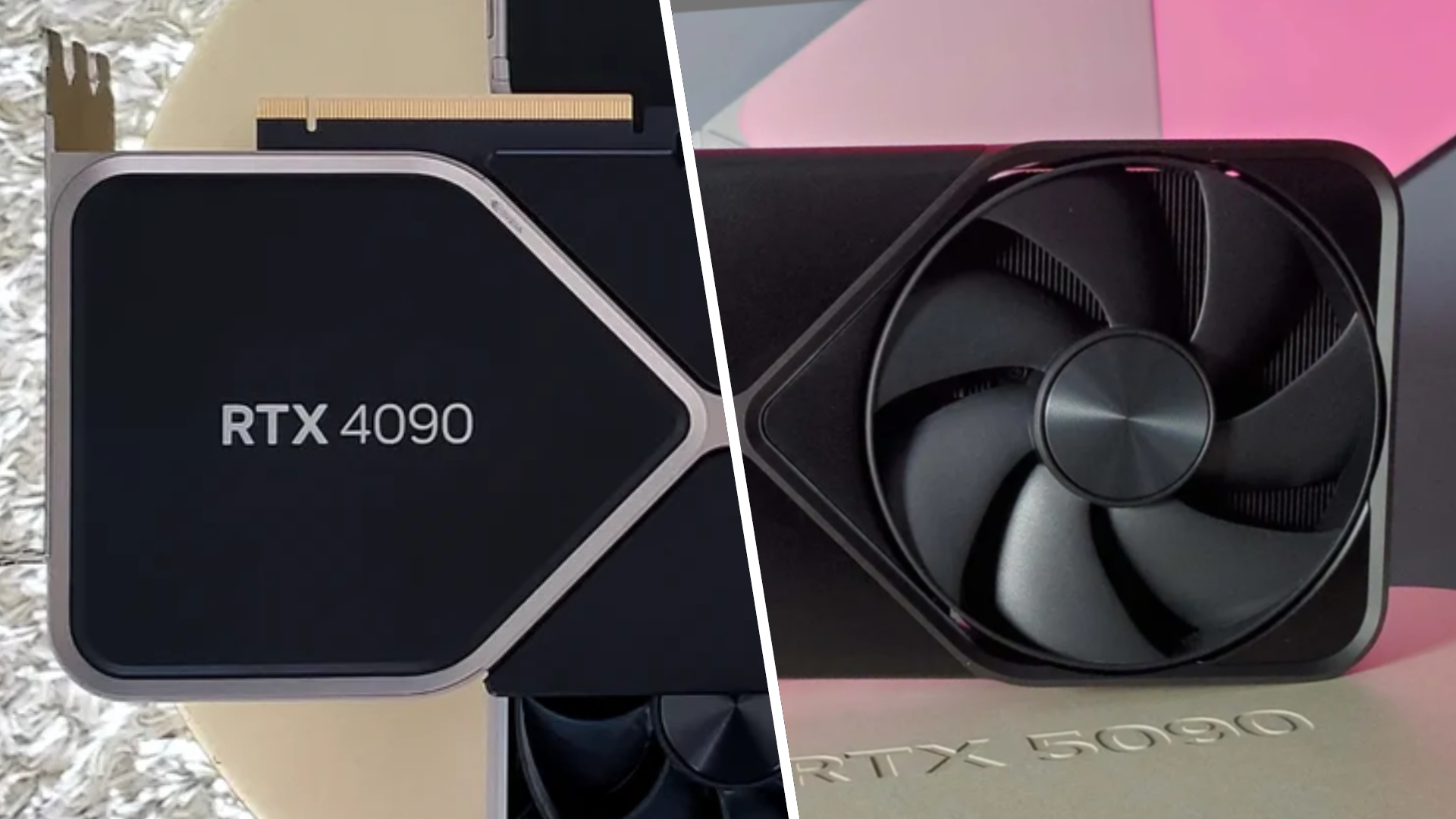
Join me in saying "Happy birthday" to the RTX 4090, Nvidia's enthusiast-level graphics card of the previous generation. It launched four years ago today, October 12, with an eye-watering MSRP of $1,499.
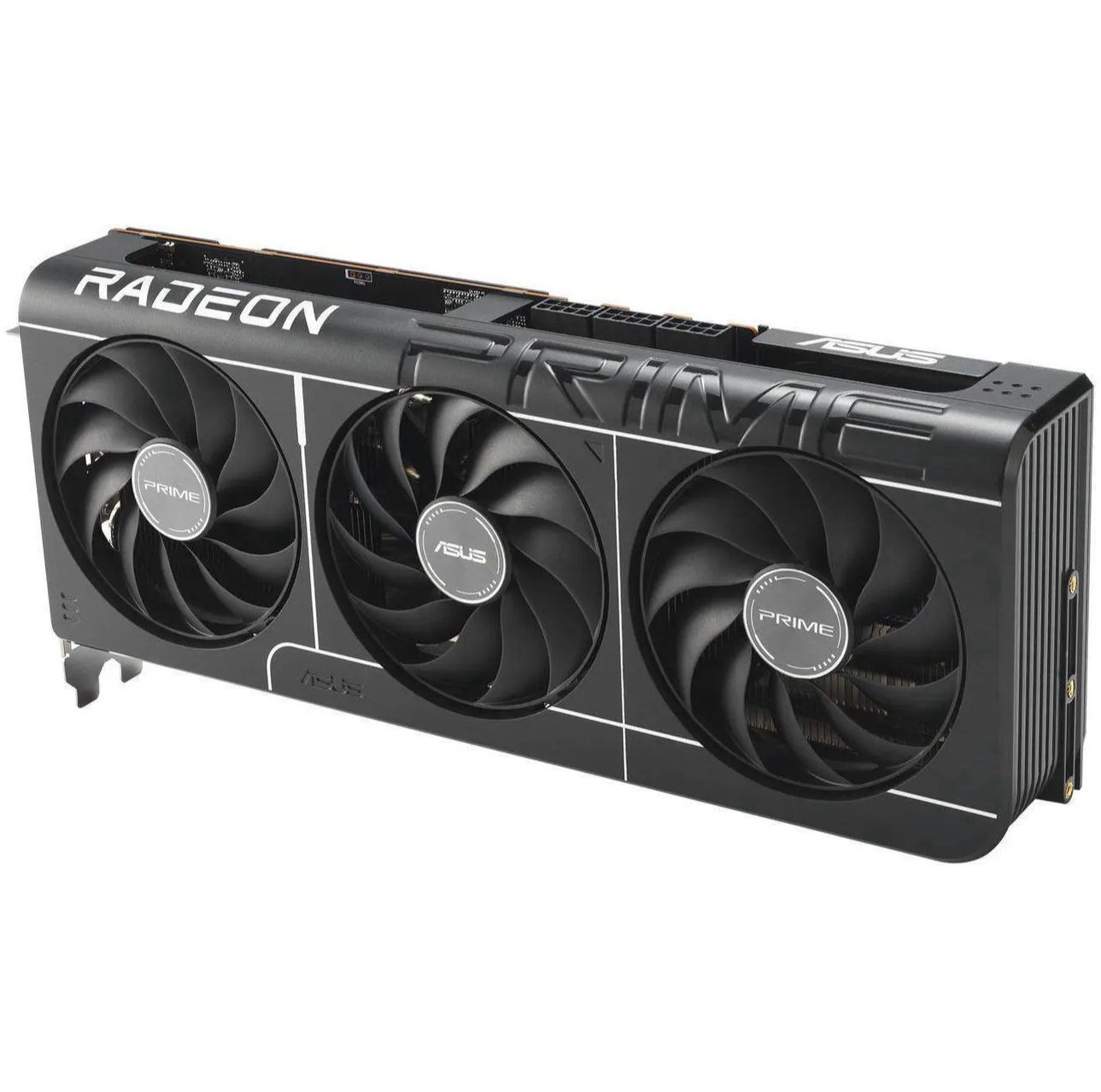
Well, eye-watering for the time. The cheapest RTX 5080 I can find right now is this Asus Prime variant for $1,640, which is a sure sign of how things have changed in the past four years. When the second-from-top Nvidia card is now significantly more expensive than the launch MSRP of the previous generation big boi model, it's pretty easy to see how far we've fallen.
And the RTX 4090's direct replacement, the RTX 5090, has reached near-unobtanium status. We've stopped tracking it on our graphics card price watch page, as the only listings around are priced at ludicrous levels from third-party sellers we're not comfortable recommending. Now rumours suggest Nvidia may have halted production of RTX 5090 chips for the consumer market, with the GB202 silicon being used for data center and professional GPUs instead.
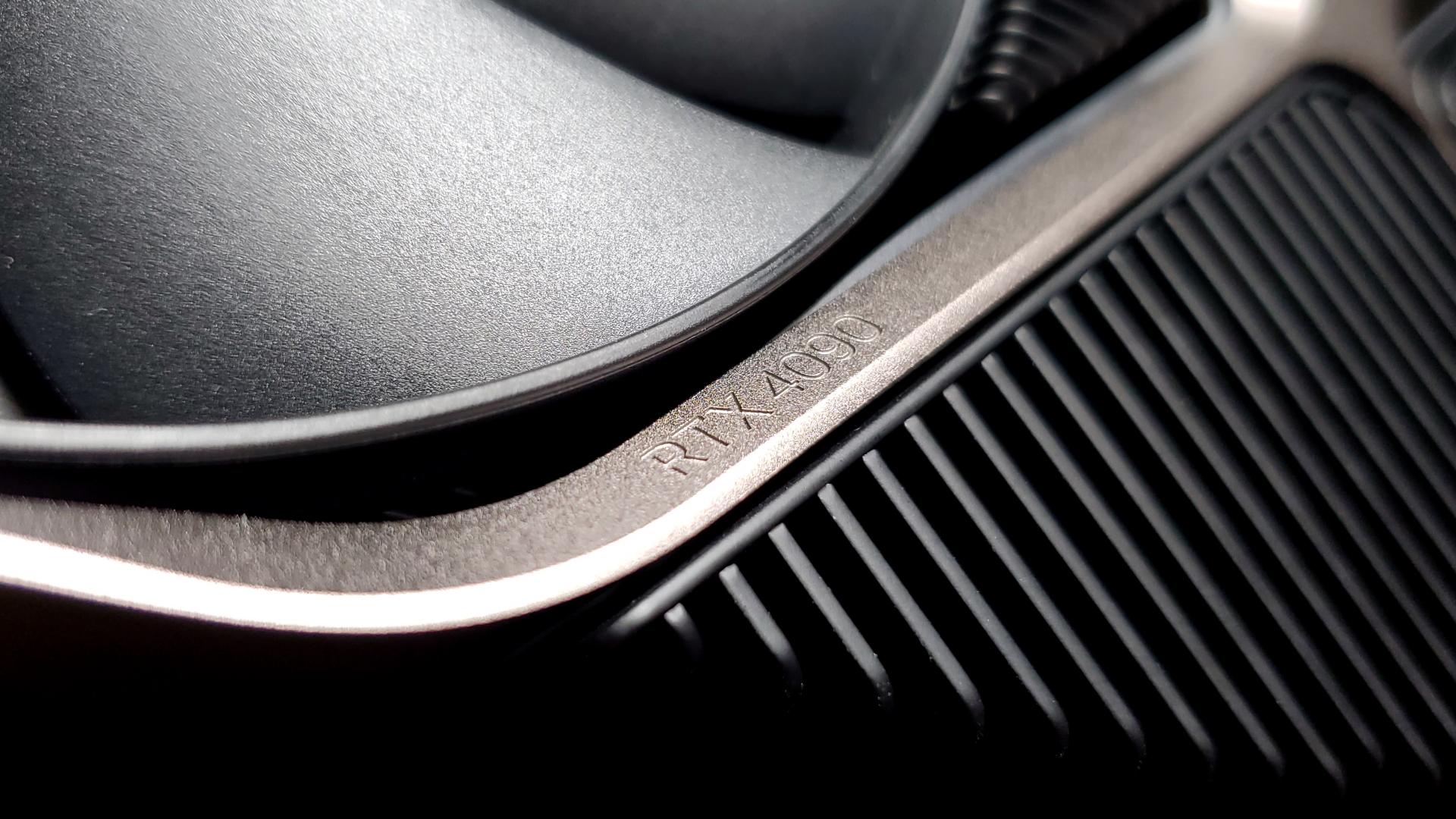
Which makes me think of the RTX 4090 with a heavy dose of nostalgia. I had a hunt through the PC Gamer kit cupboard recently and came across our review sample, an absolute cinderblock of a GPU that still looks outrageous today. And that's before you get to the specs sheet, which is still impressive in 2026.
24 GB of GDDR6X. 76.3 billion transistors. 16,384 CUDA cores, a 56% increase over the RTX 3090. 128 shader modules, 128 ray tracing cores, 512 Tensor cores. This is still a giant of a graphics card even by modern standards, and I know quite a few gamers still running one. They bit the bullet and paid the then-exorbitant price tag, and have been enjoying the monstrous power of their over-specced GPU ever since.
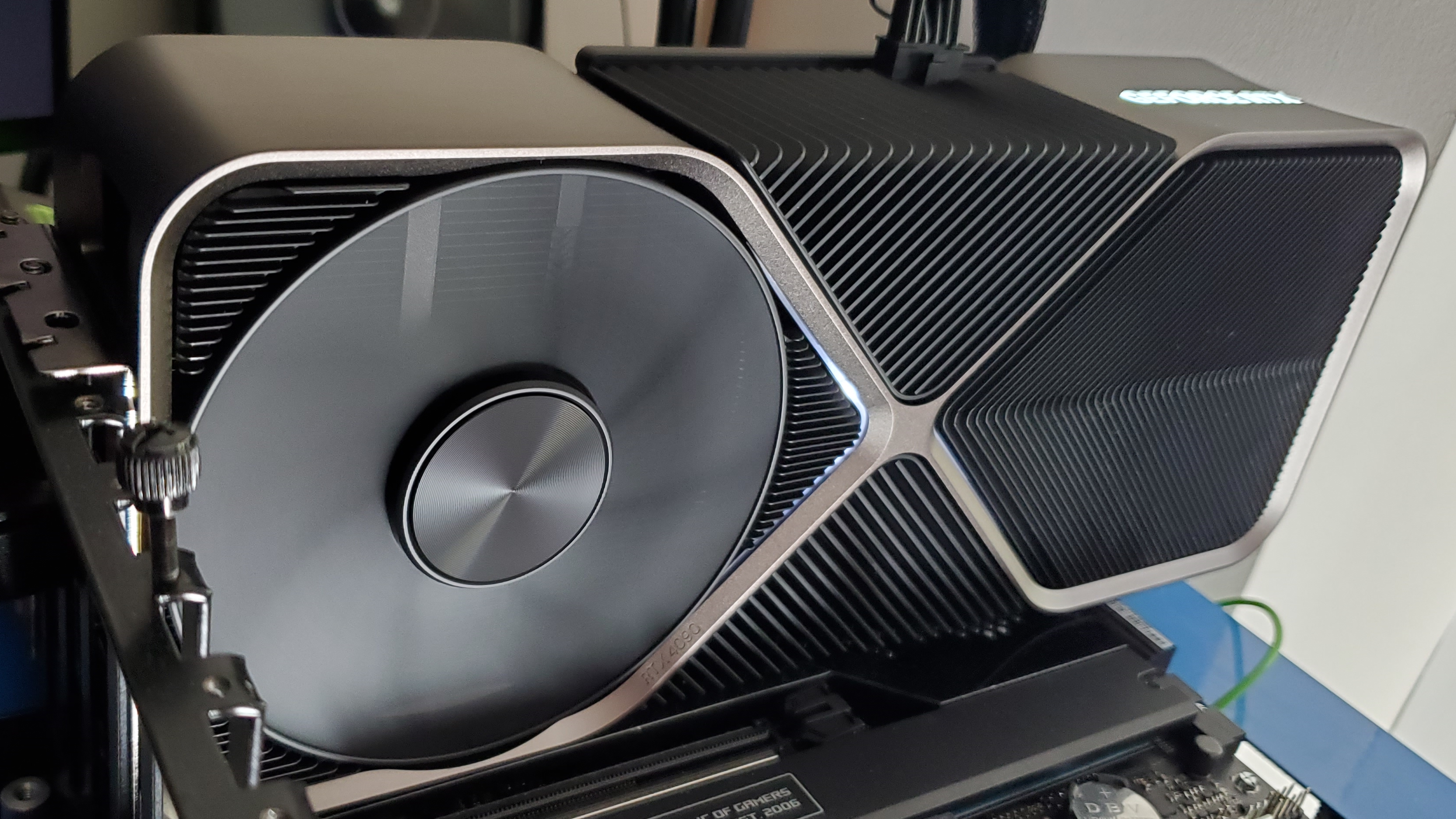
If you had the cash on hand at the time, buying one was, in hindsight, a pretty smart move. Our Dave quite rightly called out the prohibitive pricing in his RTX 4090 Founders Edition review, but couldn't help but be impressed by its gaming chops—and it also provided us our first proper look at DLSS Frame Generation, in its early 2x form.
With so much grunt on offer, in combination with a new framerate-assisting feature, those who could swallow the price tag ended up with a GPU that still kicks like the proverbial mule all these years later.
The PC Gamer Circuit Breaker newsletter breaks down the latest PC gaming tech, and finds you the best deals on the best products
And now an RTX 5080 costs more cash, with lesser raw performance (although with Multi Frame Generation support, which seems to have split the room in terms of gamer opinion), dropping such a sum on Nvidia's halo card seems to have worked out well for those who could afford it.
The RTX 5090, however, has always been a more controversial GPU. Launching with a $1,999 MSRP (and soaring well above that in the retailer listings almost from the off), it's always been more difficult to square in terms of the price/performance metric—even if it does outperform the RTX 4090 by a considerable amount.
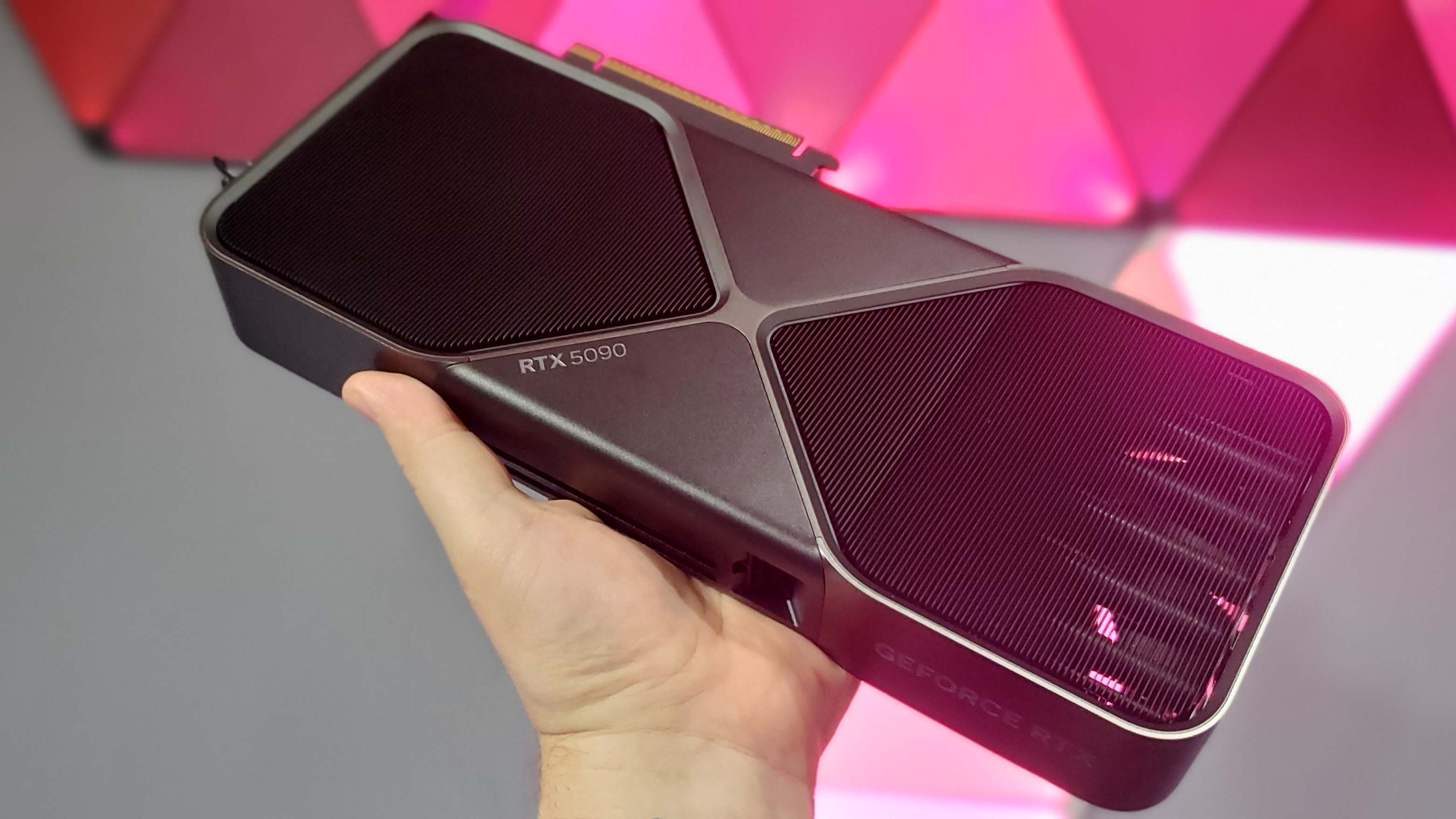
And again, Multi Frame Generation is still a point of contention for some. The RTX 5090 remains the poster boy for the tech, despite being announced alongside the RTX 5080, RTX 5070 Ti, and RTX 5070 at CES 2025. I remember covering the announcement alongside my colleagues in Las Vegas, and wondering how the PC gaming community would react.
Yes, it boosts the number of frames displayed considerably. But it was always going to further the "fake frames" debate that was already rumbling underneath the older, 2x frame gen implementation. And while the RTX 5090 is still a massively powerful GPU in its own right, the pricing was sure to push many gamers out in the cold. Particularly if they had an RTX 4090 in their rig already. Why upgrade, when your current card was still an absolute monster?
Perhaps that's the legacy of the RTX 4090. The more I think about it, the more I think it might be the last halo GPU that made sense for a regular consumer to buy. It danced with a concept we tend to avoid mentioning in this industry—futureproofing, a dirty word I use with extreme caution here.
Certainly, graphics card pricing looks to be turbo-screwed for the foreseeable future. And while the RTX 60-series is likely to be a way out yet, I can only imagine that whatever RTX 6090-equivalent is coming our way will be both ludicrously priced, and stuffed full of Tensor cores for more Multi Frame Generation shenanigans, now with DLSS 5 thrown on top.
Neural rendering is the future, as far as Nvidia is concerned. More hardware doohickies to supplement it, with less focus on raw performance uplift? That's where my money would be going.
Something about the four year anniversary of Nvidia's now-legendary 40-series card makes me pine for the days when GPUs were more straightforward affairs, raw graphics-crunching monsters available for sums that were at least somewhat within reach for those of us with more modest salaries.
Which is a wild thing to say about a $1,499, four-year-old GPU, I know. But the state of graphics card pricing in 2026 has thrown all previous metrics for a loop, and there's not a whole lot we can do about it. Anyway, raise a glass to the RTX 4090 with me. Somehow, I have a feeling we won't see its like again.
Andy built his first gaming PC at the tender age of 12, when IDE cables were a thing and high resolution wasn't. 26 years later (yes he's getting old), he now spends his days writing about and reviewing graphics cards, CPUs, keyboards, mice, gaming headsets and much, much more. You name it, if it's PC gaming hardware he'll write words about it, with opinions and everything.
>> Home